Basement Man Cave Ideas: 20+ Designs, Costs & Inspiration (2026)
Your basement is the best room in the house — you just haven’t built it yet. Browse ideas by style and budget, then use the AI tool to visualize yours.
Drop your room photo here
or click to browse
Choose style
Your basement is the best room in the house — you just haven't built it yet. More square footage than any spare bedroom, natural separation from the rest of the home, and walls that are practically begging for a dartboard or flat screen. A basement man cave is the gold standard, and this guide covers everything you need to design one right.
Browse 20+ basement man cave ideas by style and budget below, then use the free AI tool above to see exactly what your basement could look like.
Why a Basement Makes the Perfect Man Cave
Not every room type gives you the same starting advantage. Basements win on almost every dimension that matters for a man cave:
Natural soundproofing. Concrete walls and a floor above you mean sound stays in. Your family doesn't hear the game. Your neighbors don't hear the game. You can have the volume where it belongs.
Temperature stability. Basements stay cooler in summer and warmer in winter than above-grade rooms. Your electronics run better, your beer stays colder, and your energy bill doesn't spike.
Square footage. Most basements span the full footprint of the house. That's enough room for a bar, a seating area, and an activity zone — all in one space.
Separation. The stairs create a psychological boundary. Down here is yours. Up there is everyone else's.
The main challenges — low ceilings, moisture, and limited natural light — are all solvable with the right planning. We'll cover each one below.
Basement Man Cave Ideas by Style
Sports Bar Basement Man Cave
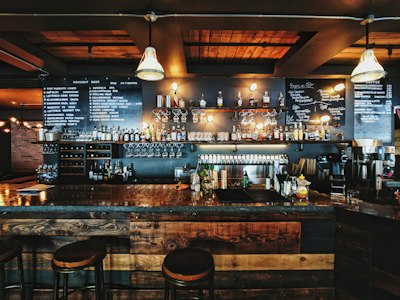
The sports bar is the most popular basement man cave style — and it's not close. Multiple screens, a proper bar setup, team memorabilia on every wall, and seating for a crowd. Done right, it makes going to an actual sports bar feel unnecessary.
What you need: A 65"+ primary TV (or two), counter-height bar with stools, a mini kegerator or beverage fridge, pendant lighting over the bar, and team memorabilia with a consistent color scheme. Don't scatter random jerseys and helmets everywhere — pick one team or one sport and commit to it visually.
Layout tip: Put the bar along the longest wall. Run the TV mount above it so bar stools face the screen. Add a secondary TV perpendicular to the bar for a second game. The bar counter should be 42" high — standard commercial bar height.
Cost range: $5,000–$12,000 for a solid setup. The bar build is the biggest variable — a simple IKEA hack runs $800, a custom wood bar runs $3,000–$5,000.
Home Theater Basement Man Cave
A basement is the ideal home theater location. No windows to wash out the picture, concrete walls that absorb sound, and enough depth to get proper viewing distance from a large screen.
What you need: A 4K projector and 100"+ screen, or an 85"+ TV if you prefer a simpler setup. Blackout window coverings (if you have egress windows), a surround sound system with proper speaker placement, comfortable reclining seating, and acoustic panels to reduce echo.
Layout tip: Viewing distance should be 1.5x the screen width for a projector setup. For a 120" screen (about 10 feet wide), you want seating starting at 12–15 feet back. If you have the depth, add a second row on a riser platform — it transforms the experience and the look.
Cost range: $4,000–$20,000+. A solid mid-range theater (85" TV, soundbar with subwoofer, good seating) can be done for $6,000–$8,000. A full projector setup with tiered seating and acoustic treatment pushes $15,000+.
Gaming Basement Man Cave
The gaming basement is built for immersion. Whether you're a PC gamer, a console player, or both, a basement gives you the dark environment, the space, and the sound isolation to do it properly.
What you need: For PC gaming — a quality desk and chair, dual or ultrawide monitors, RGB ambient lighting behind the screen, and cable management that keeps everything clean. For console gaming — a large wall-mounted TV, comfortable seating at the right distance, and a dedicated media unit for consoles and accessories.
Layout tip: Don't try to combine PC and console gaming in the same eyeline. Give each setup its own wall. The PC corner is focused and task-oriented; the console area is relaxed and social. A sectional sofa facing the console TV and a dedicated desk for the PC rig is the sweet spot for a dual setup.
Cost range: $3,000–$10,000. A console gaming setup is cheaper to start ($1,500–$3,000 for TV, seating, and lighting). A proper PC gaming rig with peripherals can run $3,000–$6,000 on its own.
Bar and Billiards Basement Man Cave
A pool table as the centerpiece, a bar against one wall, maybe darts or shuffleboard along another. This is the classic man cave — the one your grandfather would recognize.
What you need: A regulation pool table (7-foot bar box or 8-foot standard), bar setup, overhead lighting centered on the table (a pendant or billiard light hung 32"–36" above the felt), and enough clearance around the table for a full stroke.
Critical measurement: You need a minimum of 5 feet of clearance on all sides of the pool table for a full cue stroke. An 8-foot table (44" x 88") needs a room that's at least 13.5' x 17' after accounting for clearance. Measure your basement before you buy the table.
Cost range: $6,000–$15,000. A quality 8-foot pool table runs $1,500–$4,000. Add the bar build, lighting, and accessories and you're typically in the $8,000–$12,000 range for a complete setup.
Whiskey Lounge Basement Man Cave
Dark, intimate, and deliberately slow. The whiskey lounge is for the man who wants a retreat rather than a party room. Think leather armchairs, a curated spirits display, warm Edison bulb lighting, and a record player in the corner.
What you need: Two or three quality leather chairs or a Chesterfield sofa, a whiskey display cabinet or floating shelves for bottles and glassware, warm ambient lighting (no overhead fluorescents), dark wood accents, and a small side table for every seat.
The aesthetic: Walnut or mahogany tones, deep burgundy or forest green walls, leather and wool textiles, framed vintage maps or botanical prints. This room should feel like it's been here for 30 years.
Cost range: $2,000–$6,000. Leather furniture is the main investment. Source vintage pieces from estate sales or Craigslist to get the aged look for less.
Poker and Game Room Basement
A dedicated poker room is underrated as a man cave concept. It's cheaper than most setups, it creates a specific ritual around using the space, and it's inherently social.
What you need: A dedicated poker table (oval or octagon, 48"–60" diameter), 6–8 matching chairs, overhead lighting centered on the table, a bar cart, and card and casino-themed decor on the walls.
Layout tip: The poker table should be the room's centerpiece with clear walking space around it. Keep a secondary seating area for spectators or eliminated players. A wall-mounted TV for background sports or music keeps the energy right without dominating the room.
Cost range: $1,500–$5,000. One of the most affordable full man cave concepts if you already have a finished basement.
Basement Man Cave Ideas by Budget
Budget Basement Man Cave ($1,000–$3,000)
A tight budget forces good decisions. You can't do everything, so you do one thing well. Pick your primary activity and spend the money there.
The best $2,000 basement man cave: dark paint on the walls ($60), a secondhand sectional from Facebook Marketplace ($400–$800), a 65" TV wall-mounted at the right height ($600–$800), LED strip lighting behind the TV and along the floor ($80), and a mini fridge within arm's reach ($150–$200). That's a room you'll actually use every day.
Where to save: Furniture from Craigslist and Facebook Marketplace. Paint over paneling instead of removing it. DIY bar top on IKEA base cabinets instead of custom build.
Where to spend: The TV and the seating. These two things define the experience more than anything else in the room.
Mid-Range Basement Man Cave ($5,000–$12,000)
This is where most basement man cave builds land. You have enough to get the primary setup right, add one signature feature (a bar, a pool table, or a theater screen), and make the room feel finished and intentional.
A solid $8,000 sports bar basement: quality sectional or bar stools ($1,500), 75" TV and soundbar ($1,800), bar build with beverage fridge ($2,500), pendant lighting and LED strips ($600), team memorabilia and decor ($400), paint and miscellaneous ($700).
High-End Basement Man Cave ($15,000+)
At this budget, you're building something that lasts decades. Custom built-ins, a full wet bar with plumbing, a projector system with acoustic treatment, and furniture that was chosen for quality rather than price.
The defining features at this level: a wet bar with actual plumbing (sink, under-counter fridge, wine storage), custom shelving built into the walls, a 4K projector with a 110"+ screen, professional acoustic panels, and home automation for lighting and audio.
Small Basement Man Cave Ideas
A small basement doesn't mean a compromised man cave — it means a focused one. The best small basement man caves are built around a single purpose and designed to make every square foot count. At 200–400 square feet, you can't do everything, but you can do one thing exceptionally well.
Small Basement Bar Ideas
A compact bar is one of the best uses of a small basement. You don't need a full L-shaped bar with plumbing — a straight 6-foot bar top against one wall, two or three bar stools, open shelving above for bottles and glassware, and a mini fridge below. That's a complete bar setup in less than 8 feet of wall space.
Space-saving bar tips: Use floating shelves above the bar instead of upper cabinets to keep the wall feeling open. A bar top that extends 12"–15" past the base cabinets gives you seating without needing a separate island. Under-counter beverage fridges are shallower than standard fridges and leave more floor clearance.
Cost range: $800–$2,500 for a DIY bar build. IKEA base cabinets with a butcher block or concrete top is the best value — looks custom, costs a fraction.
Small Gaming or Theater Setup
In a small basement, choose one: gaming or theater. A 10'x12' room with a wall-mounted 65" TV, a two-seat recliner sofa, LED ambient lighting, and a gaming console setup is complete and comfortable. Add a compact soundbar and a mini fridge in the corner and you have everything you need in under 120 square feet of usable space.
Layout Principles for Small Basements
Keep furniture against walls to maximize open floor space. Choose a sectional with a chaise rather than a full L-shape — it seats the same number of people with a smaller footprint. Wall-mount everything you can (TV, shelving, speakers) to free up floor space. Use mirrors strategically to make the room feel larger. And resist the urge to fill every corner — negative space makes a small room feel bigger, not emptier.
Unfinished Basement Man Cave Ideas
An unfinished basement — exposed concrete walls, bare joists overhead, a concrete floor — looks like a long way from a man cave. It's actually closer than you think, and you have two paths forward: finish it properly, or lean into the raw aesthetic.
The Industrial Raw Look
Exposed concrete and raw joists are on-trend, not a liability. Paint the concrete walls a dark color (charcoal, deep navy, or black) and paint the ceiling joists and pipes the same color to make them disappear. Lay down interlocking rubber or foam tiles over the concrete floor — no subfloor required, just clean and tile. Add industrial-style shelving, Edison bulb string lights hung between the joists, and a few pieces of secondhand leather furniture.
The result looks intentional and costs a fraction of a full basement finish. Total investment for a basic industrial man cave in an unfinished basement: $1,500–$3,500.
Finishing the Basement Properly
If you want drywall, carpet or LVP flooring, and a dropped ceiling, budget $15,000–$40,000 for a full professional basement finish depending on size and scope. The big ticket items are framing and drywall, electrical (adding circuits for a bar fridge, TV, and lighting), and flooring. If you're adding a wet bar with plumbing, add $3,000–$6,000 for that alone.
The permit question matters most here — most municipalities require permits for finishing an unfinished basement. Pull them. The inspection process protects you and the resale value of the home.
The Hybrid Approach
Finish one wall properly — frame it, drywall it, and mount the TV on it. Leave the rest raw and treat it industrially. This lets you get into the space quickly for a fraction of the full finish cost, then expand gradually. Many of the best basement man caves were built this way — one finished wall at a time over a few years.
Basement Man Cave Planning Essentials
Solving the Moisture Problem
Moisture is the number one reason basement man caves fail. Electronics don't like humidity. Wood warps. Mold grows behind drywall you can't see. Fix this before you spend a dollar on furniture.
Start with a quality dehumidifier ($250–$400) and keep basement humidity below 50%. Apply waterproof sealant to concrete walls and floors. If you have active water intrusion — puddles after rain, white mineral deposits on walls, a musty smell — address the source before finishing the space. A sump pump system runs $1,500–$3,000 installed and is worth every dollar.
Dealing with Low Ceilings
Standard basement ceiling height is 7–8 feet, which feels tight if you're not intentional about it. The fixes: recessed lighting instead of pendant fixtures, low-profile furniture, wall-mounted TVs instead of TV stands, dark ceiling paint to visually recede the ceiling, and horizontal design elements (long low sofas, horizontal shelving) that draw the eye across the room rather than up.
If you're finishing an unfinished basement and have 9+ feet of ceiling height, you have a genuine luxury. Don't fur it down — leave the height and use it.
Lighting a Basement Man Cave
No natural light means you control everything — which is actually an advantage. Layer three types of lighting: recessed dimmers for general ambient light, LED strips behind screens and along floors for atmosphere, and task lighting over specific areas (a pendant over the bar, a billiard light over the pool table).
Avoid fluorescent shop lights. They make everything look like a parking garage. Warm white LEDs (2700K–3000K color temperature) make the space feel intentional and comfortable.
Do You Need a Permit?
Most cities require permits for finishing a basement, particularly when adding electrical circuits, plumbing for a wet bar, or egress windows. Contact your local building department before starting structural or electrical work. Skipping permits creates problems when you sell the house and safety risks from uninspected work. A licensed electrician for the panel work is worth the cost.
See What Your Basement Could Look Like
Upload a photo of your basement and our AI will generate a realistic man cave design in your chosen style — sports bar, theater, gaming setup, or anything else.
Design My Basement Man Cave FreeNo credit card required. First design is free.
Related guides: Man Cave Ideas · Garage Man Cave · Man Cave Bar · Man Cave Lighting · Man Cave Furniture
Shop the Look
Top picks to build your man cave
Appliances
Frigidaire 70-Pint Basement Dehumidifier
$279

Flooring
Rubber Cal Foam Floor Tiles 25-Pack
$89
Furniture
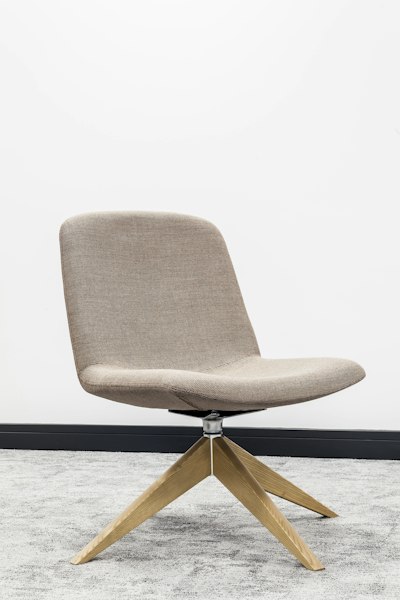
Industrial Swivel Bar Stools Set of 2
$189
Decor
ADVPRO Man Cave Neon Sign 16"x12"
$74
As an Amazon Associate, we earn from qualifying purchases.
Frequently Asked Questions
How much does it cost to convert a basement into a man cave?
A basic basement man cave with furniture, TV, and decor starts around $2,000–$5,000. Mid-range setups with a bar, sound system, and custom lighting run $8,000–$15,000. High-end builds with home theaters, golf simulators, or full wet bars can exceed $30,000.
What is the best flooring for a basement man cave?
Luxury vinyl plank (LVP) is the best choice — waterproof, durable, and it looks like real wood. Interlocking rubber tiles work well for gaming areas. Avoid carpet in basements unless you have excellent moisture control, as carpet traps humidity and can develop mold.
How do I deal with low ceilings in my basement man cave?
Use recessed lighting instead of hanging fixtures, choose low-profile furniture, mount the TV on the wall instead of on a stand, and paint the ceiling a dark color to make it recede visually. Keep horizontal design elements to draw the eye across the room rather than upward.
How do I handle moisture in a basement man cave?
Run a dehumidifier to keep humidity below 50%, seal concrete walls and floors with waterproof paint or sealant, and install a vapor barrier behind any framed walls. Address active water intrusion with drainage improvements or a sump pump before spending on furniture or electronics.
Do I need a permit to finish my basement?
Most municipalities require permits for basement finishing, especially for electrical wiring, plumbing, or egress windows. Contact your local building department before starting. Skipping permits creates complications when selling and safety risks from uninspected work.
What size TV is best for a basement man cave?
For a dedicated basement man cave, go as large as your viewing distance supports. At 10–12 feet of viewing distance, a 75"–85" TV is ideal. At 12–15 feet, consider an 85"+ TV or a projector with a 100"+ screen. Bigger is almost always better in a basement where you control the lighting.